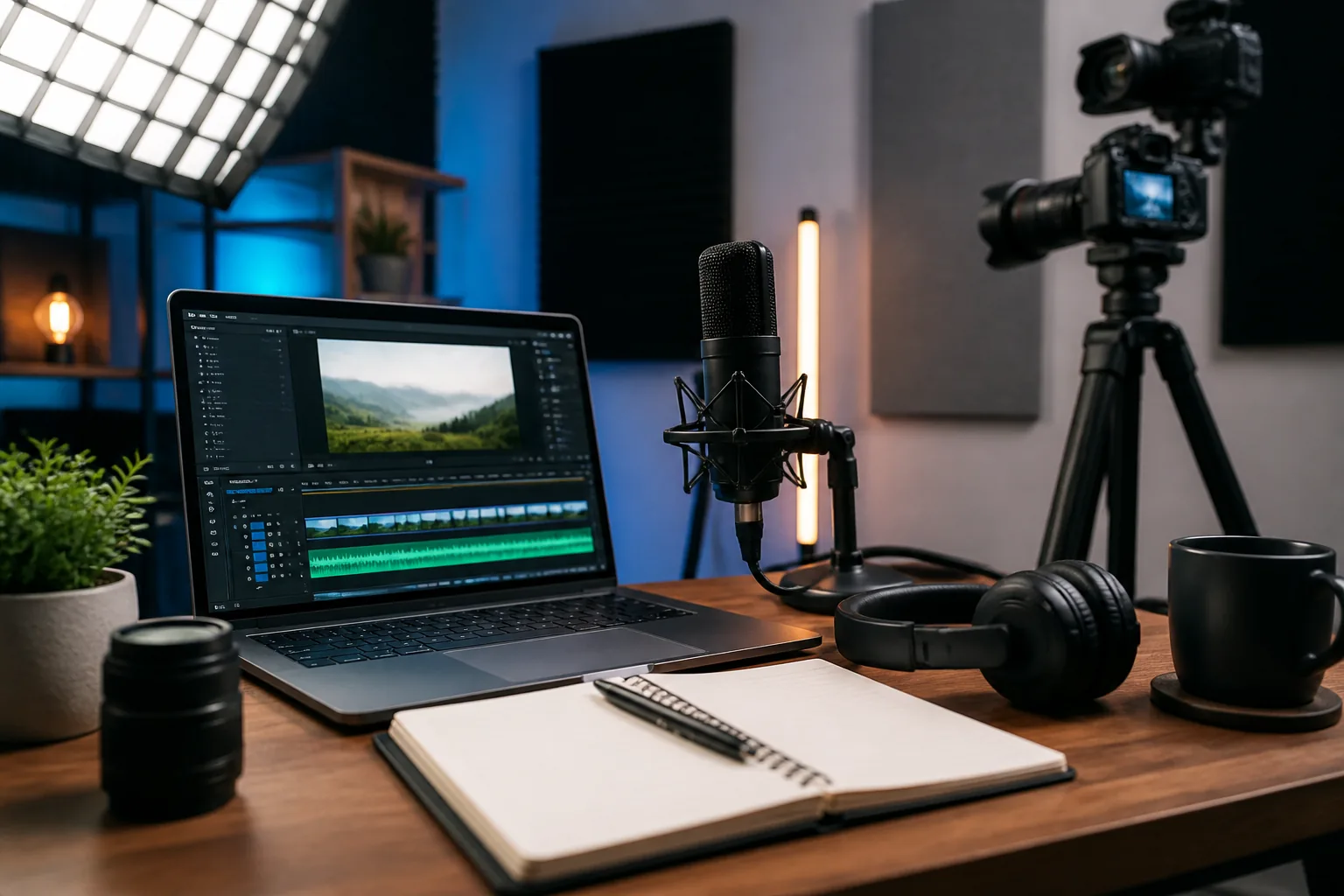
If you are searching for faceless YouTube channel voiceover, you are probably past the curiosity stage. You have a video, lesson, reel, ad or client project that needs a voice. The important question is not whether AI can read text. The question is whether the audio can fit a real publishing workflow without wasting your time.
This guide is written for creators building explainers, list videos, documentary shorts, product education channels and regional faceless content. It explains how to think about voice quality, script preparation, export habits, free testing and upgrade timing. The goal is simple: help you decide whether a focused Windows text to speech app like VoiceCraft TTS can make your production process faster and more reliable.
What the searcher is really trying to solve
People usually search for faceless YouTube channel voiceover because they are not only looking for a voice. They are trying to finish a publishable piece of content without turning audio into a separate production problem. The real need is control: a place to write or paste the script, hear a useful preview, correct awkward lines, export the file and move back to editing. That is why a tool has to be judged by the whole workflow, not only by a demo voice.
What makes faceless YouTube videos different
Faceless youtube videos needs more than a pleasant sample voice. The audio has to match how the viewer will consume the content. A person watching documentary-style videos, list videos, explainers and news-style channels is usually multitasking, checking details quickly or deciding whether the speaker sounds trustworthy. That means the script should be written for listening first. Shorter lines, clean transitions and intentional pauses do more for retention than a dramatic voice preset.
Where VoiceCraft TTS fits in this workflow
VoiceCraft TTS is useful when a faceless channel owner wants a focused Windows workspace instead of jumping between browser tabs, recorders and editing tools. The important controls stay close together: language, voice profile, script input, speed, full stop pause, preview and export. For faceless YouTube videos, that saves time because you can test a real paragraph, adjust the delivery and export the audio without rebuilding the whole process each time.
Prepare the script before you generate
The strongest result usually starts before the software speaks. Read the text once as if you are the listener. Remove heavy introductions, split long sentences and write numbers exactly the way they should be heard. If the script mixes Hindi, Bengali and English, keep each language change intentional. For trust, pacing and narration that carries the whole video, clarity matters more than filling the page with keywords.
Choose the voice for faceless YouTube videos
For faceless YouTube videos, the right voice is the one that supports the listener's job. A faceless channel owner should test one real section, not only a single sentence. Listen for trust-building narration, pacing and clear story structure. If the delivery distracts from the message, change the script first and the voice second. That order keeps the result practical and natural.
Use pause and speed like production controls
Pauses shape meaning. A full stop pause can make a lesson easier to follow, a price easier to notice or a call to action less abrupt. Speed should be changed only after listening against the real video timeline. For faceless YouTube videos, a natural rhythm is usually better than the fastest possible output because the audio has to support comprehension and trust.
Keep faceless YouTube videos exports organized
A faceless channel owner should not lose finished audio in random folders. Use file names that show project, language, date and version. For faceless YouTube voiceover, that makes edits easier when a video is revised, a client asks for a change or the same idea is published in Hindi, Bengali and English.
When the free plan is enough
The free daily character allowance is best for testing the app with your real script. Use it to check whether the voice profile, language handling and export flow feel right. If you only create a short clip occasionally, that may be enough for evaluation. When documentary-style videos, list videos, explainers and news-style channels becomes a regular task, a paid plan makes sense because it removes friction from repeated production.
Common mistakes in faceless YouTube voiceover
The biggest mistake is treating faceless YouTube videos like a one-line demo. Avoid unfinished scripts, unclear names, forced keywords and speed settings that make the audio hard to follow. A better workflow is simple: write for the ear, preview a real paragraph, fix weak lines and export only after the voice fits the content.
How this applies to faceless YouTube channel builders looking for AI voiceover workflow guidance
The specific challenge here is that faceless channels fail when the narration sounds generic, rushed or disconnected from the visuals; viewers may not see a person, so the voice carries trust. That is why the best answer is not a random generator with a nice landing page. The better answer is a steady process. The best workflow starts with a strong script, uses ai voice only after the structure is clear, and exports consistent narration that matches the pacing of the edit. This gives the creator fewer surprises and a more professional result.
For searchers comparing options, the useful keywords around this topic are AI voiceover for faceless YouTube, faceless channel narration, YouTube automation voiceover, script to speech workflow. Those phrases describe real needs, but they should not be forced into every sentence. A good page and a good script both work the same way: clear intent first, keywords second.
Download VoiceCraft TTS for Windows
Test faceless YouTube voiceover with a real script from your own workflow. Start free, then upgrade when faceless YouTube videos becomes a regular production task.
A practical production checklist for faceless channel owners
Start with the hook and generate only that part first. If the opening sounds clear, continue with the main section. If it feels flat, rewrite the line instead of changing every setting. For longer faceless YouTube videos projects, export section by section so review stays manageable. Keep the final file name simple and keep draft versions separate.
Before publishing faceless YouTube videos, listen once without reading the script. Check the opening line, pronunciation, pauses, speed and ending. If a sentence sounds stiff, rewrite it in spoken language and regenerate only that section.
Why account activation helps faceless channel owners
Paid access should be simple after checkout. VoiceCraft connects the verified payment to the user account, so the app can refresh the plan and unlock the workflow without manual key confusion. That matters when faceless YouTube videos has to be produced on schedule.
Final recommendation for faceless YouTube voiceover
If you are comparing tools, judge them with a real project. A useful app should help a faceless channel owner prepare, preview, adjust and export audio without slowing the publishing process. VoiceCraft TTS fits best when you want a repeatable Windows workflow for faceless YouTube videos in English, Hindi or Bengali.
Quick FAQ
Is VoiceCraft TTS useful for faceless YouTube voiceover?
Yes. It is built for faceless channel owners who need a focused script-to-audio workflow for faceless YouTube videos, with practical controls for language, voice profile, pause, speed and export.
Should I test the free plan first?
For faceless channels, narration carries the trust that a presenter normally creates on camera. Test the first paragraph with the visuals muted. If the listener can still follow the idea, the voiceover is doing its job. If not, the script needs a clearer structure.
What makes faceless YouTube voiceover sound professional?
Professional audio for faceless YouTube videos depends on clear script structure, natural pacing, careful pause settings, suitable voice choice and a clean final export.
Extra practical note
Faceless channels should treat narration as the main presenter. Before exporting the full script, test whether the opening explains the topic, the body sounds calm and the ending gives viewers a clear next step. This makes the finished video feel planned rather than assembled at the last minute.